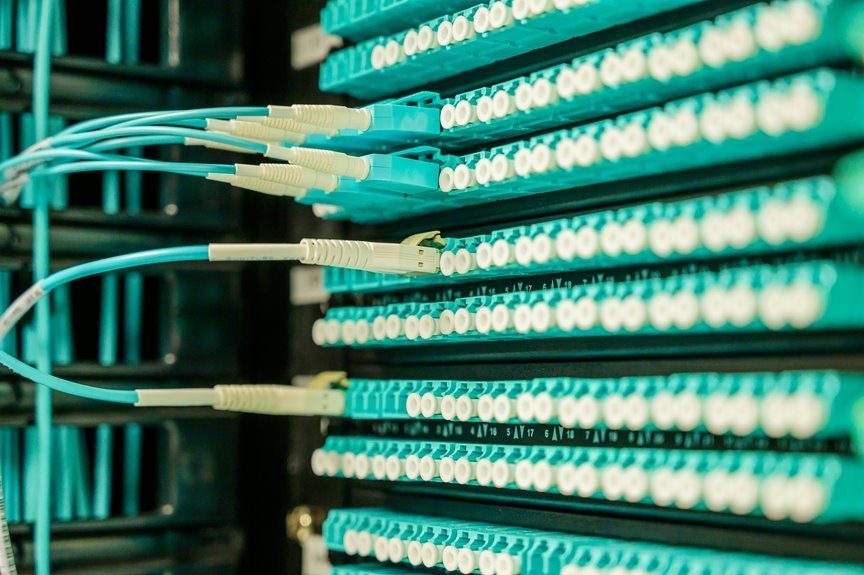
Advanced Digital Network 919611505 Optimization
The optimization of Advanced Digital Network 919611505 involves a systematic approach to enhancing connectivity and data transmission. By focusing on bandwidth management and latency reduction, organizations can significantly improve network performance. Monitoring systems play a crucial role in this process, facilitating effective resource allocation. However, the challenge lies in identifying the most effective strategies and tools to achieve these goals, prompting further exploration into the methodologies employed in this complex landscape.
Understanding the Core Components of Advanced Digital Network 919611505
The architecture of an advanced digital network, designated as 919611505, comprises several critical components that facilitate efficient data transmission and connectivity.
Key elements include routers, switches, and protocols that govern data flow.
This network architecture ensures optimal performance by minimizing latency and maximizing bandwidth, thus empowering users with the freedom to access information seamlessly and enhancing the overall user experience within the digital landscape.
Key Strategies for Enhancing Network Performance
Optimizing network performance requires a multifaceted approach that builds upon the foundational elements established in advanced network architectures like 919611505.
Effective bandwidth management ensures optimal utilization of resources, preventing congestion and enhancing throughput.
Additionally, strategies focused on latency reduction, such as optimizing routing protocols and minimizing data hops, significantly improve user experience.
Together, these strategies foster a robust, efficient digital environment conducive to freedom and innovation.
Tools and Technologies for Effective Optimization
Effective optimization of digital networks relies heavily on a suite of specialized tools and technologies designed to enhance performance and streamline operations.
Key components include advanced network monitoring systems that provide real-time insights, enabling proactive adjustments.
Additionally, optimization software automates processes, ensuring efficient resource allocation.
Together, these tools facilitate a responsive network environment, promoting continuous improvement and operational freedom for users.
Measuring Success: Metrics and KPIs for Network Improvement
How can organizations accurately gauge the impact of their digital network optimization efforts?
By establishing clear success indicators and performance benchmarks, organizations can systematically evaluate their network’s efficiency.
Key metrics such as latency, throughput, and user satisfaction provide quantifiable insights.
Regular analysis of these metrics enables continual improvement, ensuring the network evolves to meet organizational goals while fostering freedom and agility in operations.
Conclusion
In conclusion, Advanced Digital Network 919611505 optimization exemplifies the convergence of technology and strategy in enhancing data transmission. The theory positing that proactive bandwidth management and latency reduction can lead to significant operational efficiencies holds true, as evidenced by the consistent monitoring of key performance indicators. This analytical approach not only fosters innovation and user satisfaction but also positions organizations to adapt swiftly to the evolving digital landscape, ultimately validating the effectiveness of optimization practices in network management.